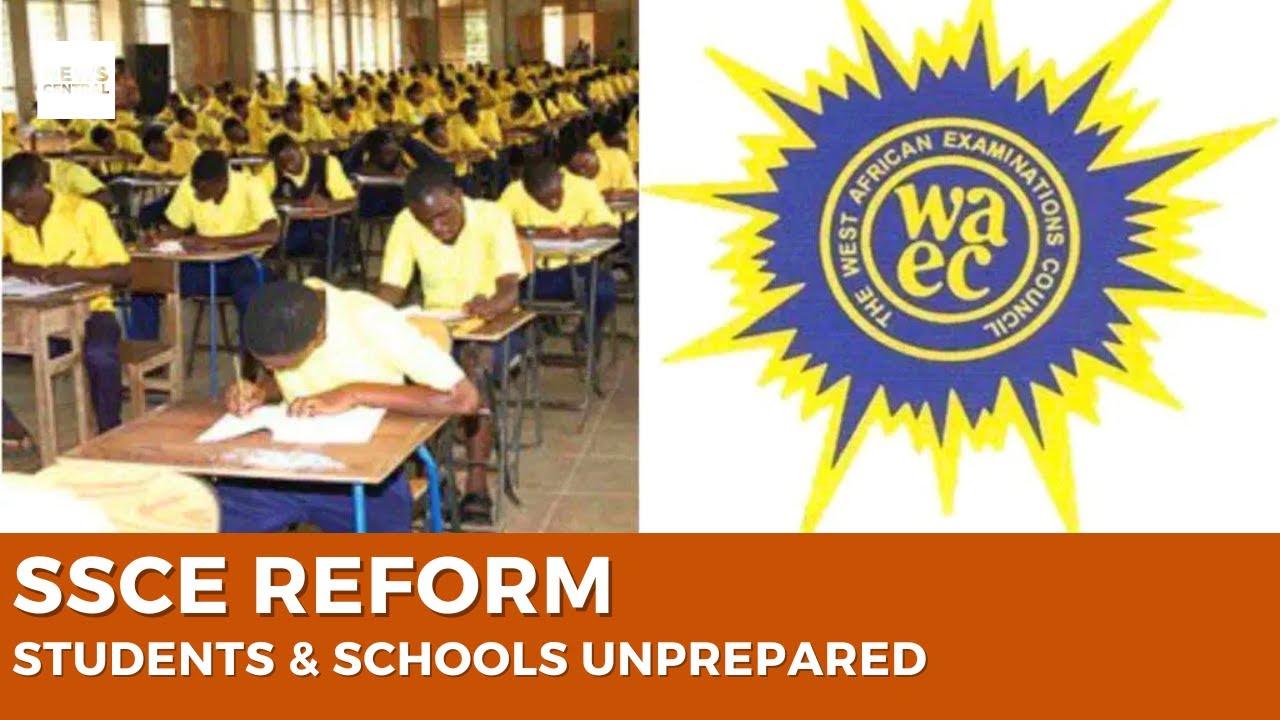
In a move that could change preparation for millions of students, the Nigerian Senate has started asking serious questions about the subjects offered in the Senior School Certificate Examination (SSCE). This includes exams like WAEC and NECO. Their focus is on making sure what students learn in school actually matches the skills needed for jobs and further education today. With the 2026 exams on the horizon, this discussion is causing students, parents, and teachers to pay close attention.
Why the Senate is Getting Involved in Education
The Senate is looking into the SSCE curriculum because there’s a growing concern about a “skills gap.” This means many students finish secondary school with good grades but struggle at university or can’t find work because they lack practical skills. Senators are asking if the current subjects, some of which haven’t changed in years, are still relevant. They want to know if adding new subjects or changing old ones could better prepare young Nigerians for the modern world.
The Main Concern: Are Students Learning for the Real World?
A big point of the debate is about useful skills. Senators and education experts are questioning if focusing so much on theory in some subjects is helpful. They are talking about whether students need more hands-on, practical knowledge in areas like technology, business, and critical thinking, instead of just memorizing facts to pass an exam.
Subjects Under the Microscope
While no final decisions have been made, the Senate’s discussions have highlighted a few key areas where changes could happen. These are subjects where the link between the classroom and real-life application is being questioned.
1. Computer Studies and Information Technology
This is a major area of focus. Right now, Computer Studies is an elective subject. The Senate is asking if basic digital skills should be compulsory for everyone, not just an option. They are debating whether the current syllabus, which can be outdated due to fast-moving tech trends, needs a complete update to include things like basic coding, digital safety, and online tools that are used in almost every job today.
2. Financial Literacy and Business Studies
There is a strong argument for making financial education a core part of the curriculum. The current Business Studies subject is broad. Senators are discussing if a more focused subject on personal finance—teaching skills like budgeting, saving, and understanding loans—would better serve all students, no matter what career they choose.
3. Civic Education and National Values
In light of social challenges, the Senate is reviewing how subjects like Civic Education are taught. The question is whether the focus should shift more towards practical national values, ethics, and anti-corruption teachings, moving beyond just textbook definitions of governance.
4. The Core Science and Arts Subjects
Even traditional subjects are not off the table. For the sciences, there is talk about integrating more environmental science and climate change topics into Biology and Geography. For arts subjects, the discussion is about including more contemporary Nigerian and African literature in English Language syllabuses.
What This Means for Students Writing Exams in 2026
If you are a student who will be taking your SSCE in 2026, here is what you need to know. First, do not panic. Any major changes to subjects or syllabuses take a long time to approve and implement. The 2026 exams are likely to still follow the current format. However, the discussion itself is a signal. Examination bodies like WAEC and NECO often make small, gradual updates. You might see new topics or question styles that reflect these national conversations about practical skills, even if the subject name doesn’t change.
How to Stay Prepared
The best way to prepare is to focus on understanding, not just memorization. Try to see how the things you learn in class apply to everyday life or current events in Nigeria. For example, in Economics, think about how inflation affects prices at the market. In Biology, consider how diseases spread in your community. This approach will help you no matter how the syllabus is tweaked.
The Potential Impact on University Admissions
This review could eventually affect JAMB and university cut-off marks. If new, skill-based subjects are introduced and become popular, universities might start listing them as required or recommended subjects for certain courses. For instance, a strong pass in a revised Computer Studies subject could become important for admission into science, business, and even arts programs in the future. It’s a change that would happen slowly, but it’s part of the Senate’s goal to align secondary school output with higher education needs.
What Happens Next?
The Senate’s action is currently at the committee stage. This means they are gathering reports, listening to experts from the Ministry of Education, WAEC, NECO, teachers’ unions, and the private sector. After these hearings, they will make recommendations. These recommendations will then be sent to the Federal Ministry of Education for review. Any actual change to the national curriculum is a long process that involves many levels of government and the examination bodies themselves.
People Also Ask
Will there be new SSCE subjects in 2026?
It is very unlikely that brand-new subjects will be introduced for the 2026 exams. Changes this big take years to plan. The 2026 syllabus is probably already set. However, the topics within existing subjects might be updated to be more modern.
Should I stop studying the current subjects?
No. You should absolutely continue studying your current subjects. The core knowledge in Mathematics, English, the Sciences, and the Arts will always be foundational. Any future changes will build on this base, not replace it entirely.
How can I give my opinion on this?
If you feel strongly, you can write to your senator representing your state or to the Senate Committee on Education. While they may not reply directly, citizen input is part of the process. You can also share well-reasoned opinions through your school or teachers’ associations.
Will this make exams harder?
The goal is not to make exams harder, but to make them more meaningful. The questions might become more focused on applying knowledge to solve problems, which can be challenging in a different way than memorization. Good teaching and preparation will be key.
What is the main goal of the Senate?
The main goal is to improve the quality of education and ensure that a secondary school certificate in Nigeria represents skills that are useful for employment, entrepreneurship, and further study in the 21st century.
Advice for Students and Parents
Do not wait for government changes to build practical skills. Students should use online resources to learn basic digital skills, financial tips, and current affairs. Parents can encourage this. The Senate’s questions are a reminder that the world is changing, and education must keep up. The most successful students will be those who learn both their school syllabus and how to use that knowledge in practical, real-world situations.
In summary, the Senate’s decision to question SSCE subjects is a positive step toward modernizing Nigerian education. While changes for 2026 will likely be subtle, the direction is clear: education is moving towards practical skills and real-world application. Staying informed, focusing on understanding over rote learning, and developing skills outside the official curriculum will put any student in a strong position for the future, no matter what the final decisions are.